
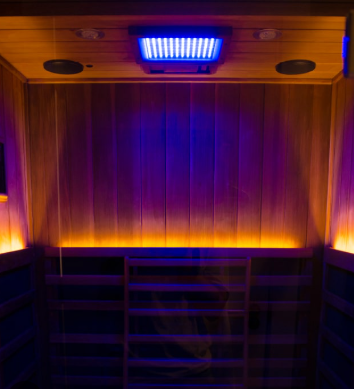

How Can Chromotherapy Help You?
Potential Benefits of Chromotherapy
-
Activates the circulatory and nervous systems!
-
Energizes and eliminates localized fat. Helps to address asthma and bronchitis!
-
Reactivates and purifies the skin. Helps with indigestion and bodily stress!
-
Strengthens the body and acts on internal tissue!
-
Relaxes the body!
-
Provides anti-infectious, anti-septic, and regenerative stimulation!
-
Stimulates muscle and skin cells, nerves, and the circulatory systems!
-
Lubricates the joints. Helps address infections, stress, and nervous tension!
-
Activates and eliminates impurities from the blood stream!
-
Helps to address eye inflammation, cataracts, glaucoma, and ocular fatigue!
-
Relaxes the nerves and lymphatic system! Addresses inflammation and urinary illness!
-
Colors like blue and green are believed to promote calmness, reduce stress, and create a sense of peace.
Yellow and orange can stimulate energy and boost mood, potentially helping with mild depression or fatigue.
-
The use of soothing colors such as blue and violet is said to help lower stress levels and encourage relaxation.
Certain chromotherapy practices integrate these colors into meditation or relaxation sessions to promote mental tranquility.
-
Colors such as deep blue or indigo may aid in better sleep quality. Some proponents suggest that these colors can reduce insomnia and help regulate sleep cycles by promoting relaxation.
-
Certain colors, especially blue, are believed to have anti-inflammatory and cooling properties. Practitioners claim that exposing parts of the body to blue light can help reduce pain and inflammation.
-
Bright, warm colors like red and orange are thought to boost energy and stimulate physical activity. This can be beneficial in combating lethargy and improving overall vitality.
-
The color yellow is associated with mental clarity and alertness. Chromotherapy sessions that use yellow light may help improve concentration and cognitive performance.
-
Some use specific colors of light (such as red light therapy) to improve skin conditions. Red light has been associated with stimulating collagen production, reducing wrinkles, and aiding in wound healing.
-
Each color is thought to correspond with different emotional and physical states. For example:
Red is linked with stimulation and energy.
Green is associated with balance and harmony.
Purple is believed to inspire creativity and calm the mind.
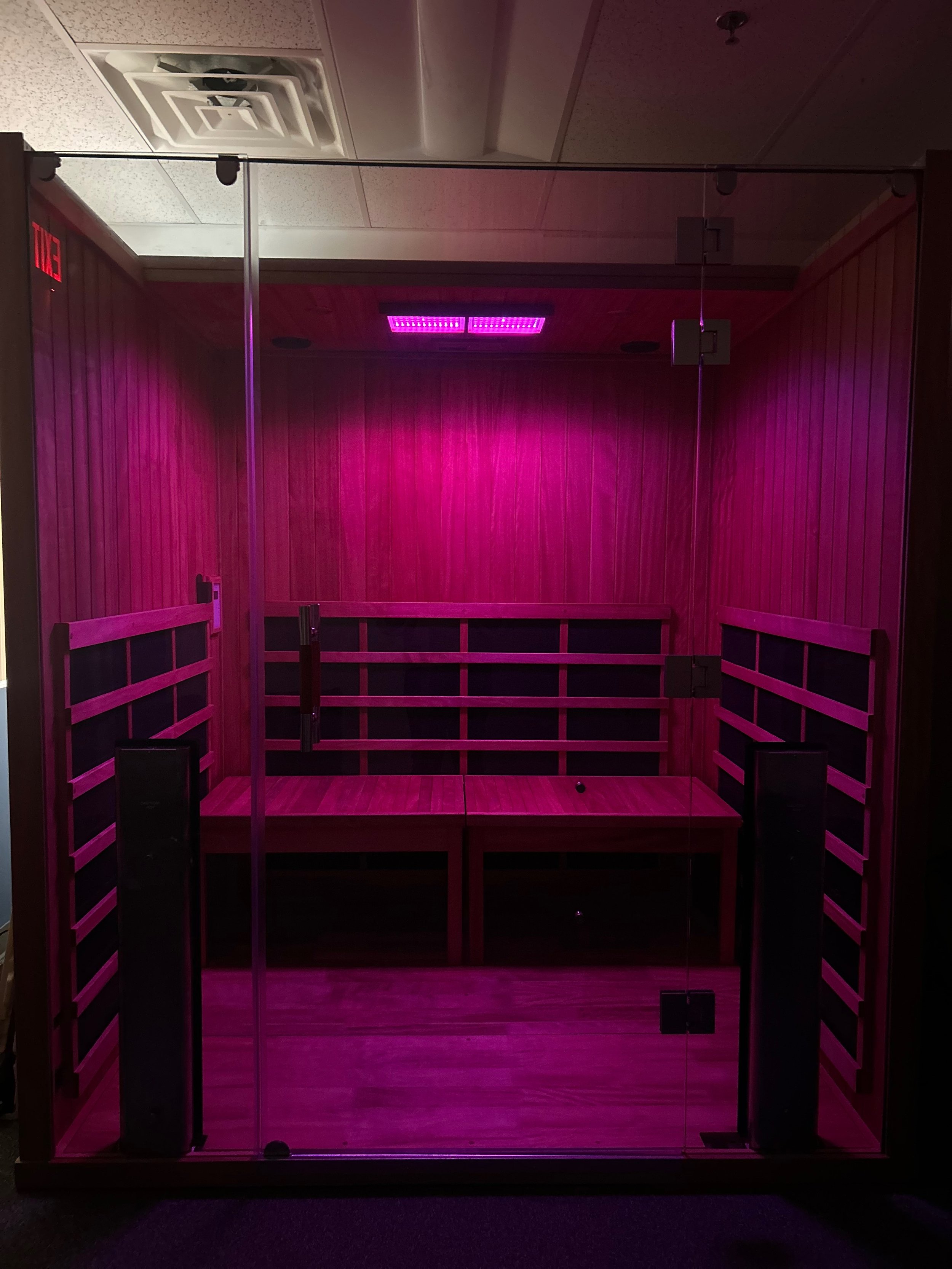
Colors Options and What They Do!



Considerations
While many people report positive experiences with chromotherapy, the scientific evidence is limited, and more rigorous clinical studies are needed.
It's often used as a complementary practice rather than a standalone treatment.
People should consult healthcare providers before starting chromotherapy, especially if used as part of a treatment for medical conditions.
Overall, chromotherapy can be a gentle addition to a holistic approach to wellness, helping to enhance mood, relaxation, and energy levels.
Chromotherapy, or color therapy, is generally considered safe for most people as a complementary wellness practice, but there are certain contraindications and precautions to be aware of. Some of these include:
Photosensitivity: Individuals who have conditions that make them photosensitive (e.g., lupus, certain forms of porphyria) or those taking medications that increase sensitivity to light (e.g., some antibiotics, antidepressants, and diuretics) may experience adverse reactions.
Epilepsy: People with epilepsy should avoid certain bright or flashing lights used in chromotherapy, as these could potentially trigger seizures.
Severe Psychological Disorders: Those with certain psychiatric conditions, such as severe bipolar disorder or schizophrenia, may need to avoid treatments involving intense or prolonged exposure to certain colors that might provoke strong emotional reactions.
Eye Conditions: Those with certain eye disorders or conditions that affect light perception may need to avoid direct light exposure as used in some forms of chromotherapy.
Migraine and Light Sensitivity: People prone to migraines or who experience light sensitivity might need to be cautious, as certain light frequencies or colors could potentially trigger symptoms.
Before beginning chromotherapy, especially in clinical or intensive settings, it's advisable to consult a qualified healthcare professional to ensure it’s safe and suitable for specific health needs.